
Installment 3 of Japan’s Drone Awakening
Japan is in a quiet but urgent race against time.
With the yen once again under severe pressure (trading near ¥163 to the dollar), the government faces relentless demands to cut the consumption tax on food and other essentials just to ease household burdens. Annual budgets and slogans are no longer enough. What Japan needs, and what its leaders increasingly believe they have found, is an entirely new engine of growth. Something on the scale of the bubble-era industries or the Walkman that once defined Japanese global dominance. They see that engine in drones and unmanned systems.
At the same time, the security environment is deteriorating rapidly. The government has concluded that unmanned systems are the central technology through which Japan can defend itself in the coming era. Because of this dual realization — economic necessity and strategic imperative — Tokyo is deliberately accelerating development by fusing military and commercial efforts, and it is willing to take unconventional steps to move faster than natural market forces would allow.
This is a new strategic national project with real urgency behind it.
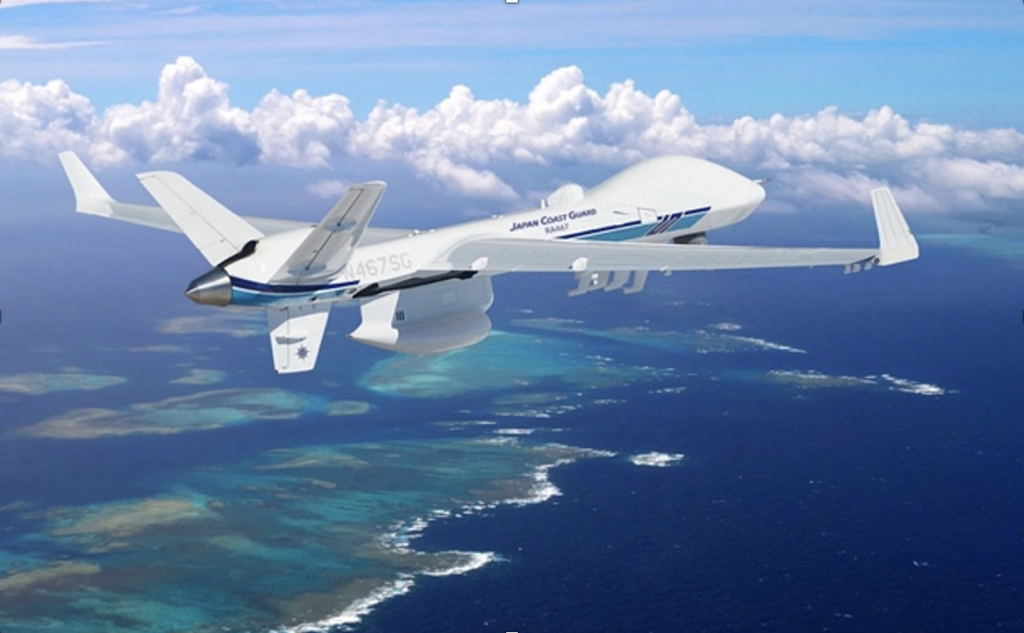
A Technology That Changes the Equation
What makes this moment particularly powerful is how quickly the technological frontier is expanding. Consider the image of a miniaturized drone disguised as a mosquito, resting on a human fingertip below.
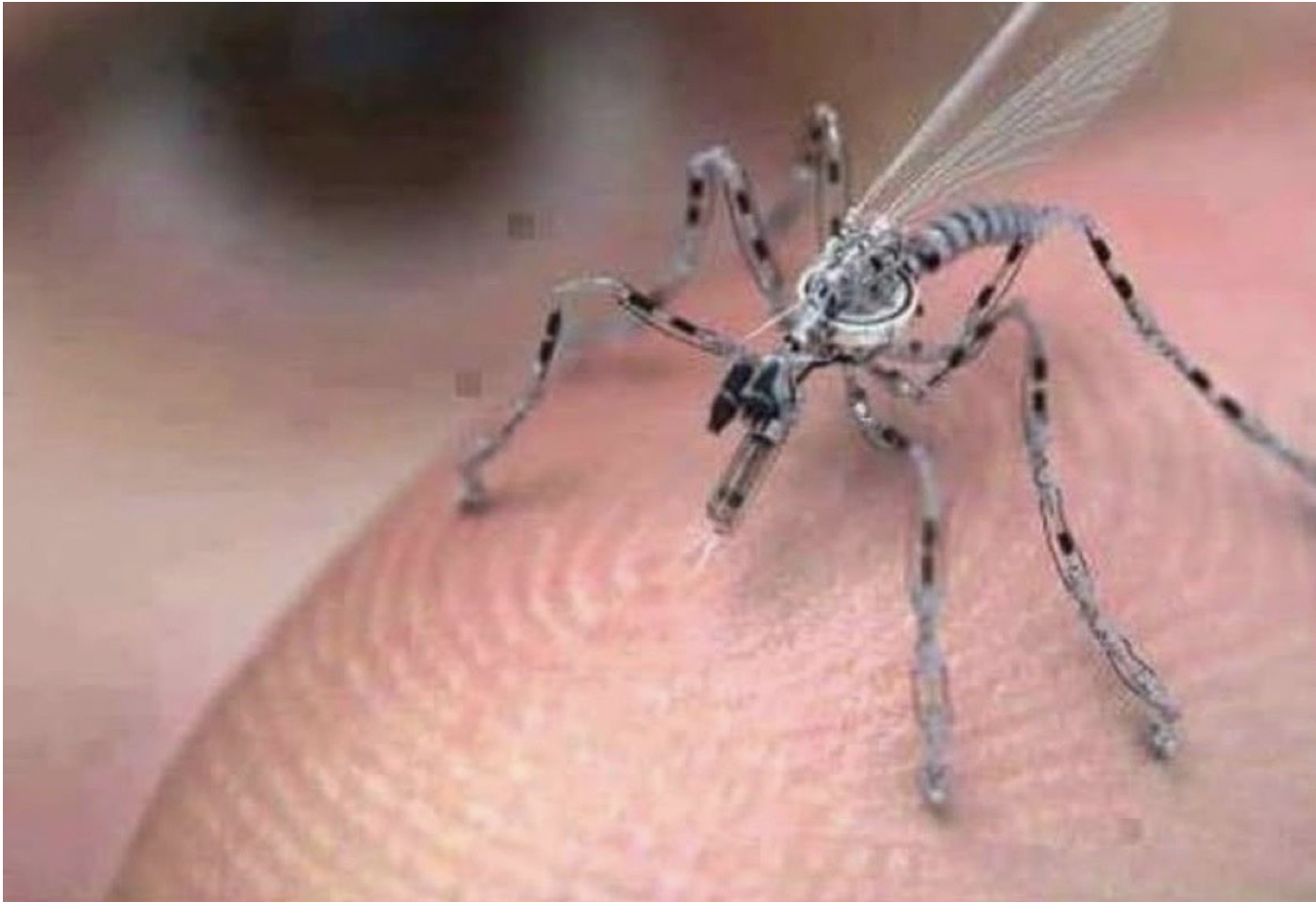
Miniaturized drone disguised as a mosquito. This level of extreme miniaturization and concealment represents one frontier of unmanned technology. Japan’s historical strengths in precision engineering, materials science, and robotics make it exceptionally well positioned to lead here. The commercial applications are essentially unbounded. The military applications are equally profound worldwide. This is precisely why the government refuses to let development unfold at a natural pace.
The Government Has Chosen to Lead and to Pay
The June 2026 Liberal Democratic Party proposal was unusually direct. It called for the “mass introduction” of unmanned assets across air, sea, and land, supported by AI command systems, and spoke of an era in which “we use drones like bullets.” Behind the rhetoric lies hard financial commitment.
In FY2026, Japan’s defense budget reached a record 8.8 trillion yen (approximately $60 billion). Within that, funding specifically allocated to unmanned defense capabilities leaped to ¥277.3 billion — more than double the ¥111 billion of the previous year. Spending on various types of unmanned vehicles was requested to roughly triple to around 313 billion yen. The government has set an ambitious production target of 80,000 domestically manufactured drones per year by 2030, up from roughly 1,000 in 2024. This is astounding.
Significant additional funding is flowing into the SHIELD program (Synchronized, Hybrid, Integrated and Enhanced Littoral Defense), a multi-layered coastal defense concept built around networks of land, surface, underwater, and aerial unmanned systems. One allocation alone reached over ¥100 billion for this initiative.
These items represent a deliberate, large-scale bet that unmanned systems will become a foundational industry for Japan — one capable of generating sustained economic activity on the scale of the automobile sector while simultaneously providing the “teeth” for national defense.
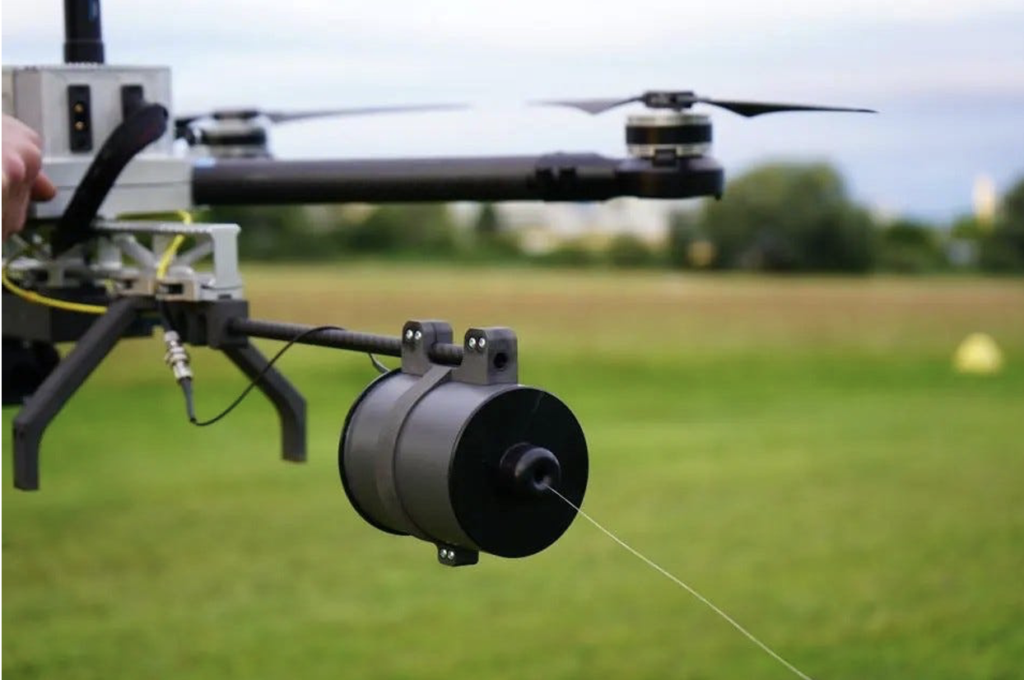
The Economic Imperative Behind the Security Push
Japan’s leaders understand the stakes clearly. The country faces structural headwinds: a shrinking and aging population, rural depopulation, and mounting fiscal pressure. The yen’s persistent weakness has made imports expensive and increased calls for tax relief that would further strain government revenue. In this environment, drones and unmanned systems are viewed not just as defense tools, but as a potential new pillar of the economy – high-value, high-growth industry that can create jobs, drive exports, and generate the kind of technological leadership Japan once enjoyed with consumer electronics and automobiles.
The government is therefore willing to do what it takes to accelerate the sector: direct budget allocations, advance payments, grants, demonstration projects, regulatory reform, and even structural changes such as government-owned, contractor-operated production facilities. It is treating unmanned systems as strategic national infrastructure, not merely another procurement category.
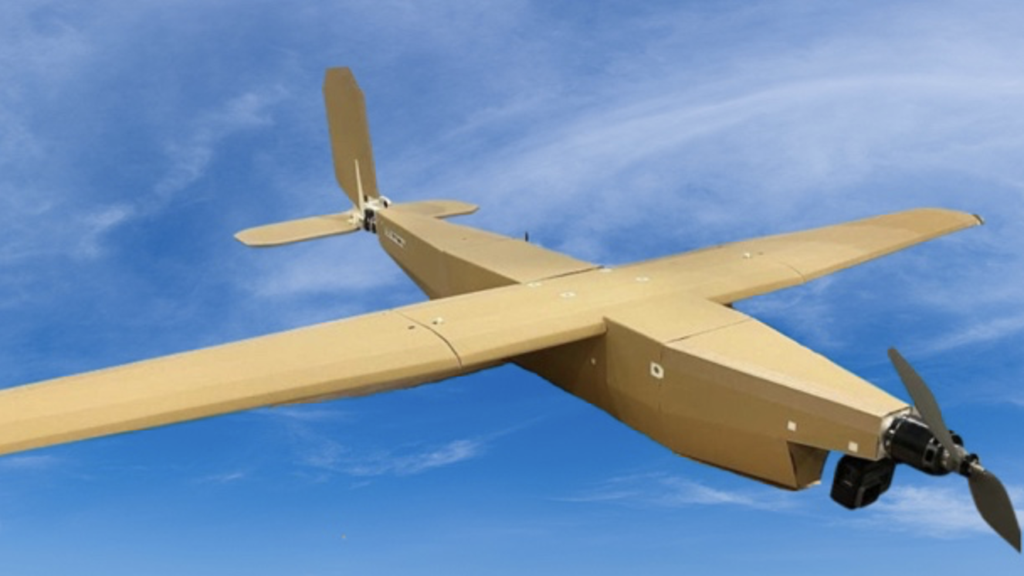
Building the Full Spectrum — Fast
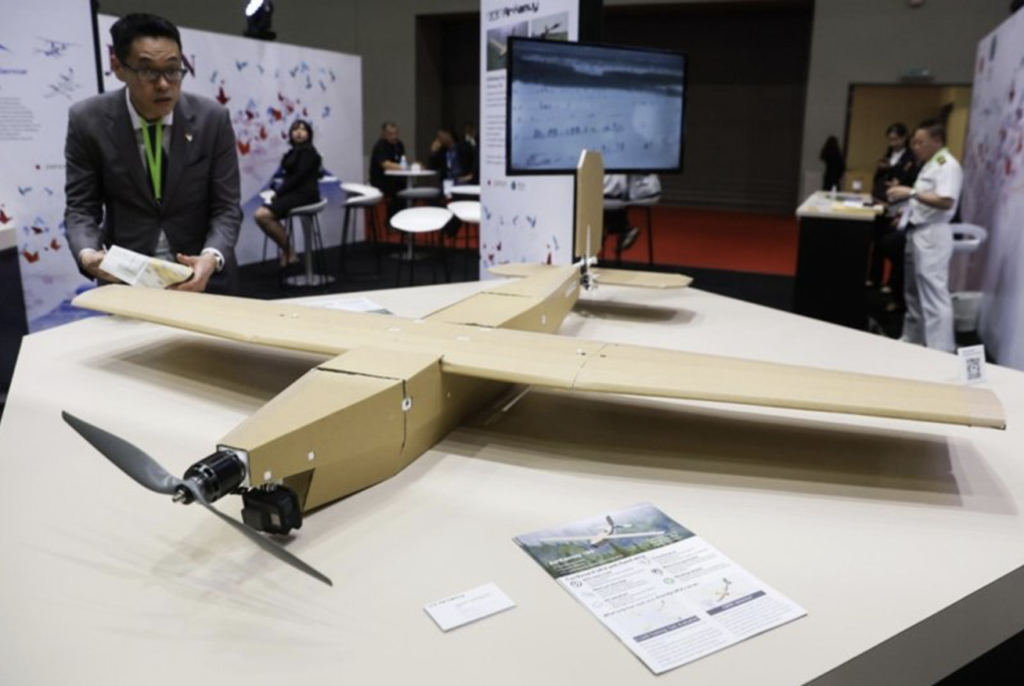
Japan is not limiting itself to one type of system. It is pursuing capability across multiple domains:
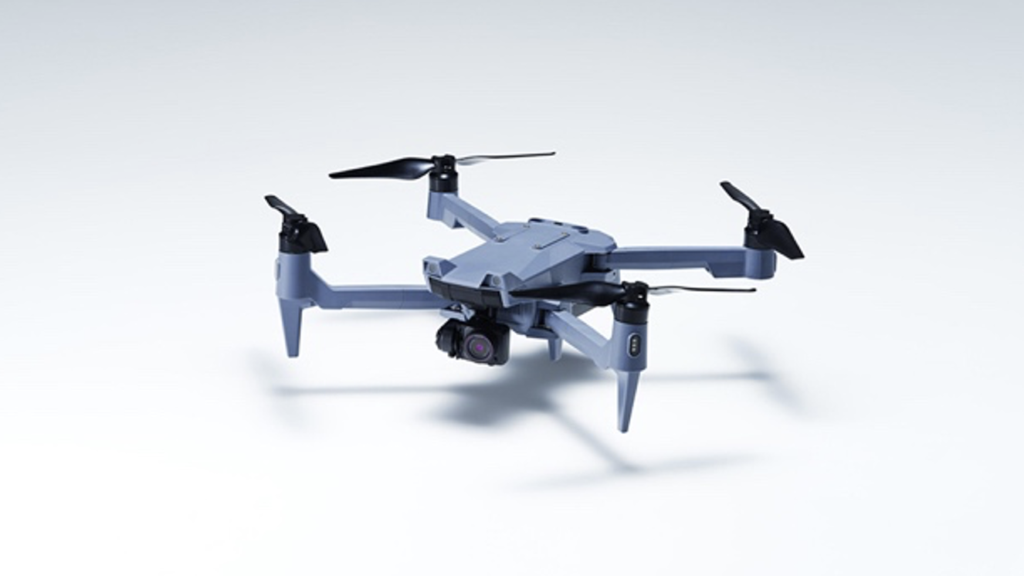
- ACSL’s SOTEN platform has already secured major Ministry of Defense orders on the strength of its “zero Chinese components” design.
- Prodrone is advancing heavy-payload logistics drones, including systems inspected personally by Defense Minister Koizumi.
- Australia’s DefendTex Drone40 loitering munition was selected in Japan’s first attack-drone tender.
- Partnerships with U.S. firms (including interest in production facilities in Kanagawa) are bringing advanced autonomy and software-defined systems into the ecosystem.
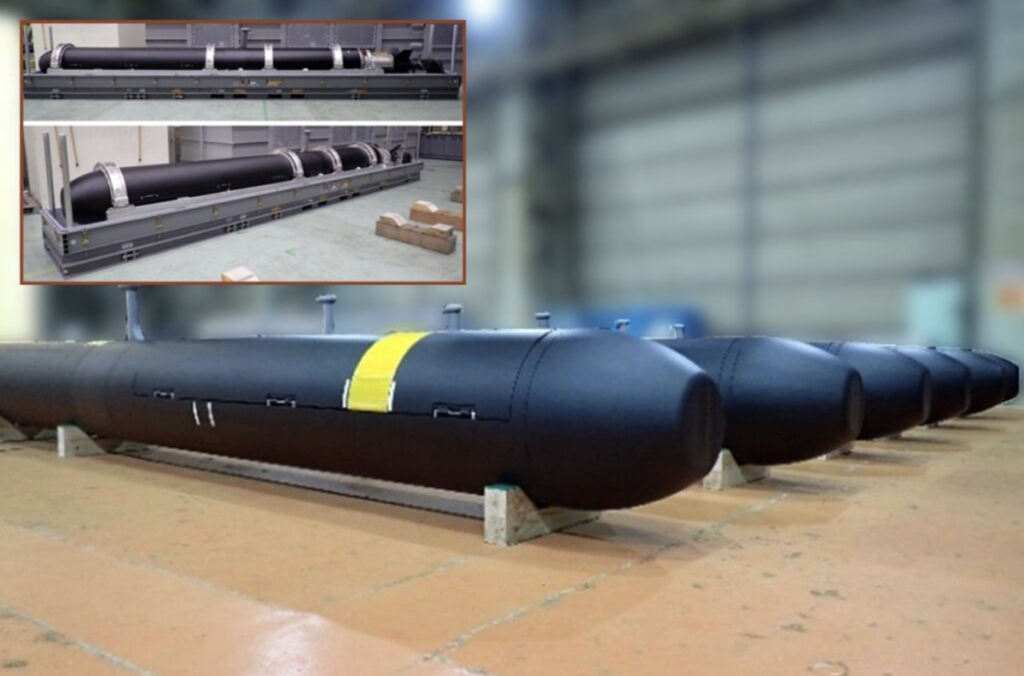
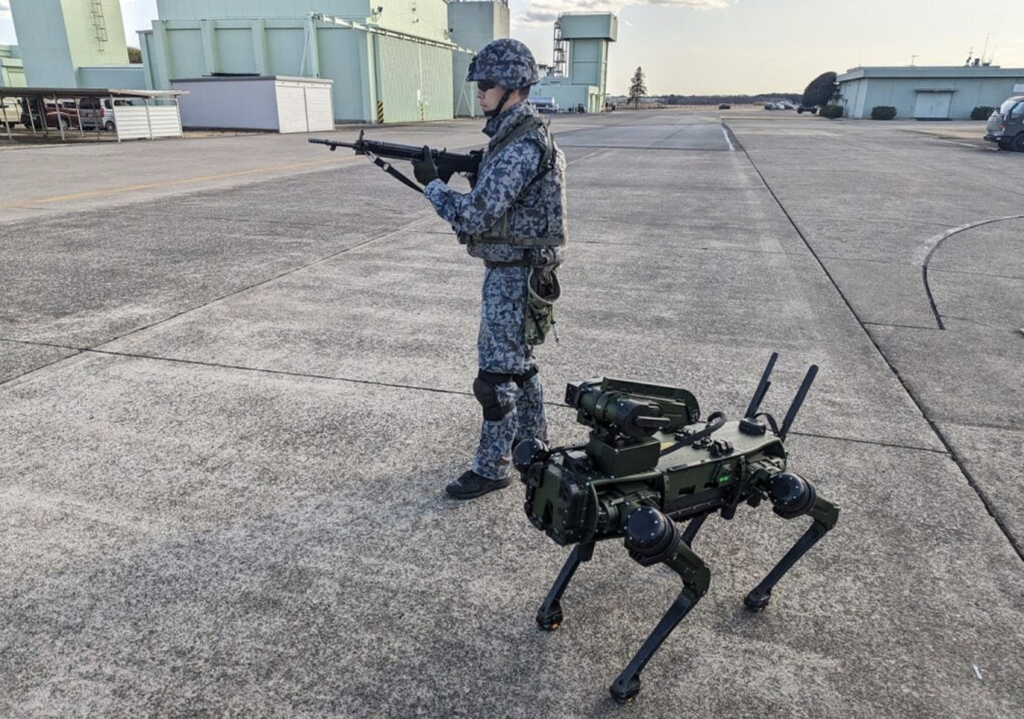
- Unmanned underwater vehicles and legged ground robots are advancing in parallel.
Strap In: Not in Kansas Anymore
Japan’s government has made its choice: drones and unmanned systems are now viewed as both a security necessity and the next major engine of economic growth — a potential successor to the industries that once defined Japan’s global strength.
It is pursuing this path with speed and determination, backed by record budgets, targeted investments exceeding ¥277 billion in unmanned capabilities this year alone, and a willingness to restructure production and regulation to accelerate results.
The national drone economy is not a distant possibility. It is already being built — deliberately, at scale, and with the full weight of the state behind it.
The only remaining question is how quickly the rest of Japan — you, me, our hosts, grandmas & grandpas, Japan’s neighboring countries, industry, society, and regulation — will catch up to what the government has already decided must happen.
End of Installment 3
Final Installment 4: We will examine the practical timeline — what is likely to emerge over the next 3, 5, and 10 years, which companies and use-cases may generate real commercial returns first, how export opportunities could develop, and what the full ecosystem might look like as Japan initiates this accelerated national transformation.
written by Timothy Langley — Tokyo, July 2, 2026